
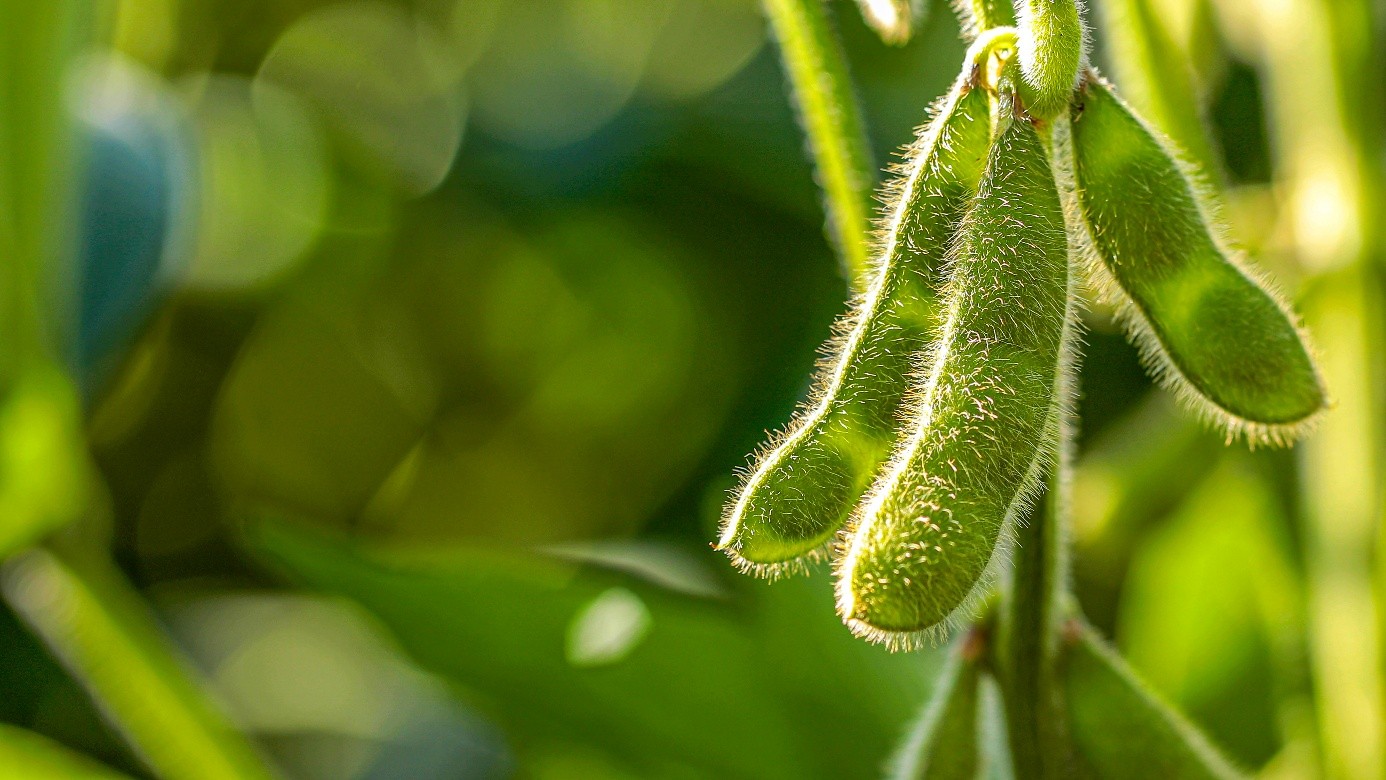
Leguminous plants play a key role in agriculture as an indispensable element of crop rotation, but their full potential can only be achieved in cooperation with nodule bacteria. These valuable microorganisms can fix atmospheric nitrogen (N₂) and making it available to plants in the form of easily absorbed ammonium ions (NH₄⁺), significantly increasing both yield quantity and quality while improving soil fertility.
Thanks to them, it is possible to reduce mineral fertilization costs, regenerate soil, and achieve more stable production in any farming system. In this article, we explain how nodule bacteria work, why they are so important in legume cultivation, and how to use their potential in practice.
What are nodule bacteria?
Nodule bacteria, also known as Rhizobia (mainly from the genera Rhizobium and Bradyrhizobium), are specialized soil microorganisms that enter into symbiosis with legumes. Their unique ability is to fix atmospheric nitrogen (N2) and convert it into a form available to plants. Thanks to them, legumes such as peas, lupins, faba beans, and soybeans can grow healthily even in soils low in nitrogen.
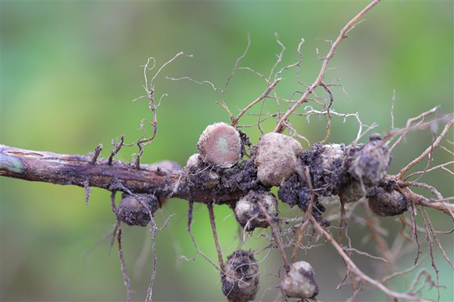
The mechanism of action of this symbiosis is extremely precise. After contact with plant roots, the bacteria penetrate and begin the colonization process, leading to the formation of characteristic root nodules. A key process occurs within these nodules: biological nitrogen fixation. Plants receive available nitrogen directly within their tissues, while the bacteria receive sugars and energy from the plants.
Each legume species is associated with specific bacterial strains. The most important include:
- Pea, faba bean – Rhizobium leguminosarum
- Soybean – Bradyrhizobium japonicum, Bradyrhizobium elkanii
- Lupin – Rhizobium lupini
Proper matching of bacterial strains to the plant species is essential for effective symbiosis and maximum yield potential.
How does symbiosis work?
The symbiosis between legumes and nodule bacteria is one of the most efficient biological processes in agriculture. It provides plants with a continuous natural supply of nitrogen while improving soil fertility and microbiological stability. This mechanism takes place in several stages – each of them is important for the success of the entire process.
When seeds begin to germinate, plant roots release chemical compounds (flavonoids) into the soil that attract specific rhizobia strains. The bacteria respond by synthesizing so-called Nod factors, which initiate nodule formation.
The nodule formation process can be divided into three stages:
- Mutual recognition – the bacterium identifies its host plant.
- Infection and entry into the root – via infection threads.
- Nodule formation – the plant creates structures where bacteria settle and multiply.
Well-developed nodules are pink/red, indicating active nitrogen fixation.
Rhizobia fix nitrogen thanks to nitrogenase, a key enzyme whose activity depends on micronutrients, especially molybdenum (Mo) and iron (Fe), as well as manganese (Mn), which supports energy processes and protects enzymes from oxidative stress. Deficiencies of these elements reduce nitrogen fixation efficiency.
For proper symbiosis, the following conditions are essential:
- Soil pH: optimal range 6.0–7.2,
- Proper soil moisture and structure – excessively dry or compacted soil hinders root colonization,
- Limited nitrogen fertilization (starter dose: usually 20–30 kg N/ha or less),
- Correct bacterial strain for the plant species.

Benefits of using nodule bacteria
A proper symbiosis between legumes and nodule bacteria benefits not only the crop itself but also the soil and the entire agricultural production system. It is one of the most effective and economical ways to naturally increase yields and reduce the costs of mineral fertilization.
The most important effects, confirmed by research and agricultural practice, include:
- Increased yield and quality
Plants supplied with biologically fixed nitrogen grow faster, produce more biomass, and have higher protein content. These effects are particularly visible in plants such as soybeans, field peas, field beans and lupines, which have a high nitrogen demand.
- Improved soil fertility and humus formation
Up to 40–80 kg N/ha may remain in the soil after harvest, benefiting subsequent crops. Additionally, they contribute to increased microbiological activity, better soil structure, faster humus formation and stabilization of soil aggregates.
- Reduced mineral fertilization costs
Thanks to effective nitrogen fixation, it is possible to significantly reduce mineral fertilization. In many cases, nitrogen fertilization in legume crops can be reduced to a starting dose or even eliminated altogether.
- Greater stress tolerance
Plants become more resistant to drought, low temperatures, poor soil conditions, and root diseases. A well-developed root system and a constant supply of nitrogen allow plants to better tolerate unfavorable conditions.
- Long-term farm benefits
Better crop rotation efficiency, improved yields of subsequent crops, and greater production stability.

How to introduce nodule bacteria into cultivation?
To effectively use the potential of nodule bacteria, it is necessary to properly introduce them into the soil environment and create appropriate conditions for their development. This is a relatively simple process but requires several key decisions: choosing the right inoculant, proper application, and taking care of soil parameters.
Use of Inoculants
The most reliable way to ensure proper symbiosis for legumes is to use bacterial inoculants containing selected strains of rhizobia adapted to the specific plant species.
How to use inoculants correctly?
Seed dressing is the most effective and most frequently used method. It involves coating the seeds with the product before sowing so that the bacteria can colonize the young roots as quickly as possible.
Rules for effective dressing:
- Apply shortly before sowing,
- Avoid excessive drying of the seeds,
- Do not expose the seeds to sunlight after dressing,
- Do not combine with chemical seed dressings, which can damage the bacteria,
- Sow as soon as possible after application.

How to check nodulation effectiveness?
After 4–6 weeks from emergence, the effectiveness of nodulation should be checked and a simple assessment should be made:
- carefully dig up plants
- rinse roots
- examine nodules
- cut one open: pink/red = active, white = inactive
The most common mistakes
Although nodule bacteria are an extremely effective and natural way to increase legume yields, agricultural practices often make several key mistakes that significantly limit the effectiveness of the symbiosis. Most of these mistakes can be easily avoided if the causes are understood. The most important include:
- Wrong bacterial strain selection
The legume symbiosis is highly specific. This means that, for example, a strain that performs well in soybeans will not work in peas, and vice versa. In practice, errors include the use of universal inoculants “for all legumes” or the use of preparations intended for another species.
- Mixing inoculants with chemical seed treatments
Many traditional seed treatments contain fungicides and insecticides that can adversely affect nodule bacteria. The most common consequences are reduced bacterial viability, reduced root infection, and no or very few nodules. Each inoculant manufacturer should demonstrate to users, based on research, the potential for combining individual plant protection products with a given inoculant.
- Excessive nitrogen fertilization
Mineral nitrogen in large doses competes with the symbiosis. With readily available nitrogen from the soil, the plant “stops” cooperating with the bacteria. It’s also important to remember that during periods of intense nodulation, plant growth may be inhibited for several days. In such situations, nitrogen fertilization is a common mistake. Nitrogen available from the soil results in inhibited nodulation, weaker atmospheric nitrogen fixation, and a lower symbiosis effect. It is recommended to use starting nitrogen doses of no more than 20-30 kg N/ha, and in fertile soils, completely eliminate nitrogen fertilization.
- Insufficient soil moisture
Dry soil after sowing is a serious problem, especially during seed dressing. Bacteria on the seed surface require moisture to survive and quickly colonize young roots. The consequences are low survival of nodule bacteria, delayed or absent root infection, and weakened nodulation.
- Soil pH too low
Nodule bacteria are sensitive to acidification and function best at a pH of 6.0–7.0. Too low a pH can result in delayed nodule formation and reduced nitrogenase enzyme activity. Therefore, soil pH regulation and liming are important.
- Sowing in too cold soil
Too low a soil temperature (below 8-10°C) slows down bacterial activity and prolongs the time required for symbiosis to develop. Insufficiently warm soil results in poor nodulation, delayed emergence, and reduced root mass.
- Improper inoculant storage
Inoculants are living microorganisms that require appropriate temperature and protection from light. Storing at high temperatures, keeping them too long after opening, and especially using them after the expiration date can significantly reduce the viability of the bacteria.
- Too long delay between inoculation and sowing
Once applied to seeds, bacteria can lose viability. The sooner they reach the soil, the better. After treating with the inoculant, seeds should be sown in the soil as soon as possible, following the manufacturer’s recommendations.
Impact of nodule bacteria on crop rotation and subsequent crops
The symbiosis between legumes and nodule bacteria brings benefits not only within a single growing season. The effects of rhizobia activity significantly improve soil quality, which directly influences subsequent crops. For this reason, legumes are considered one of the best preceding crops, especially in farms focused on sustainable and regenerative agriculture.
Nitrogen remaining in the soil – a natural boost for subsequent crops
After harvesting legumes, a significant amount of nitrogen remains in the soil in mineral forms available to crops grown in the following year. It is estimated that effective symbiosis can leave 40–80 kg N/ha or even more.
This nitrogen is gradually released during the decomposition of post-harvest residues, providing a steady, natural source of fertilization for subsequent crops. In practice, this results in higher yields of cereals, maize, and rapeseed, reduced need for mineral fertilizers, and an improved carbon-to-nitrogen (C:N) ratio in the soil.
Improvement of soil structure and biological activity
Cultivating legumes acts as a “biological engine” for the soil. Their numerous and deep root systems, along with the activity of nodule bacteria, contribute to better soil structure (the formation of soil aggregates, improved aeration, and improved water holding capacity), increased microbiological activity (nodule bacteria stimulate the growth of other microorganisms, saprophytic fungi, beneficial aerobic bacteria, and soil organisms), and increased humus content (legume root residues are rich in protein and nitrogen, accelerating the humification process).
These are the reasons why legumes are the foundation of a well-planned crop rotation.
Furthermore, by “breaking up” the sequence of plants susceptible to the same pathogens and pests, legumes reduce the risk of diseases such as root rot, limit weed pressure through good competitiveness, and support soil microbial biodiversity, which ultimately stabilizes plant health.
Summary
Nodule bacteria represent one of the most effective and at the same time most natural ways to increase crop yields and improve soil fertility. Thanks to their ability to biologically fix atmospheric nitrogen, rhizobia supply plants with a key nutrient in a continuous and environmentally friendly manner. This directly translates into higher yields, improved plant growth, and greater resistance to environmental stresses such as drought, low temperatures, or poor soil conditions.
The cooperation between legumes and nodule bacteria is also an investment in the future of the farm. Nitrogen remaining in the soil after harvest, improved soil structure, increased microbiological activity, and a positive impact on crop rotation all contribute to making the production system more stable, efficient, and resilient to changing weather conditions.
Choosing a professional inoculant is essential
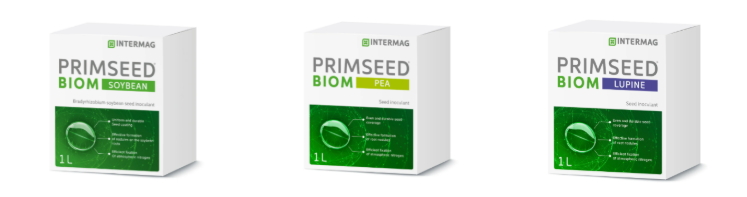
In legume cultivation, precise and stable support of biological nitrogen fixation is crucial. That is why more and more professional farms use INTERMAG microbiological solutions based on carefully selected rhizobia strains.
PRIMSEED® BIOM products are developed using advanced biotechnology and rigorous quality standards, ensuring rapid root colonization, intensive nodulation, and high symbiosis efficiency. This is a solution for producers seeking consistent results and long-term soil fertility.

To fully utilize symbiosis potential, it is also important to supply essential micronutrients. PLONVIT® LEGUMES is a specialized foliar fertilizer designed for legumes, supporting nitrogen fixation and proper nodule development.
Learn more about INTERMAG PRIMSEED® BIOM and choose the best solution for your crop:→ https://intermag.eu/product-category/seed-fertilisers/


