
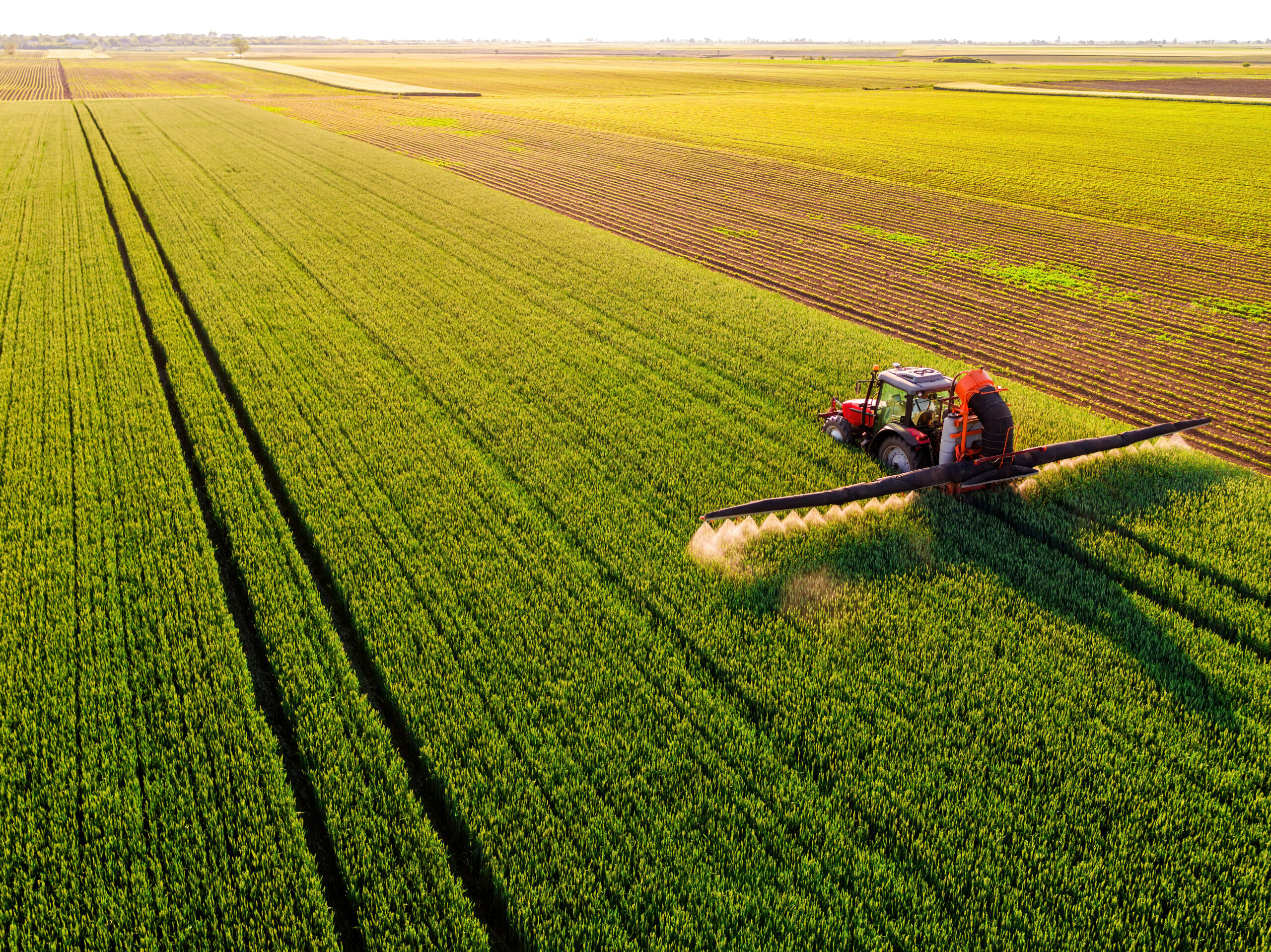
The transition from winter dormancy to active spring growth is one of the most defining moments in winter cereal production. At early stem elongation (BBCH 29–31) – referred to in some European systems as the T1 timing – crops move from survival to performance.
This is the stage where plants rebuild leaf area, intensify nutrient uptake and begin forming the structural foundations that determine final yield. Decisions made here influence canopy architecture, spike development and the crop’s overall resilience for the rest of the season.
For this reason, this application window should not be viewed simply as the first fungicide spray. It is a strategic opportunity to shape crop performance.
A critical turning point in crop development – winter cereals
Across temperate cereal-growing regions, early stem elongation marks the beginning of rapid biomass accumulation. Following winter stress, crops accelerate physiological activity and become increasingly responsive to both nutrition and stress factors.
At the same time, vulnerability to stem base and early foliar diseases increases. Depending on the region, growers may face pressure from:
- eyespot and Fusarium spp. affecting the stem base,
- Septoria in humid and maritime climates,
- rust diseases under mild spring conditions,
- snow mould (Microdochium nivale) after prolonged snow cover.
Stable temperatures above 8°C generally support optimal product performance, although seasonal variability must always be considered.
A well-structured programme at this stage helps to:
- protect developing stem tissue and emerging leaves,
- strengthen crop tolerance to abiotic stress,
- optimise nutrient efficiency during rapid growth,
- secure yield potential at the start of stem extension.
Supporting nitrogen efficiency – beyond standard fertilisation
Nitrogen remains the primary driver of spring growth in winter wheat, barley, rye and triticale. However, fertiliser strategies across Europe and other temperate regions are increasingly influenced by environmental regulation, climate uncertainty and input costs.
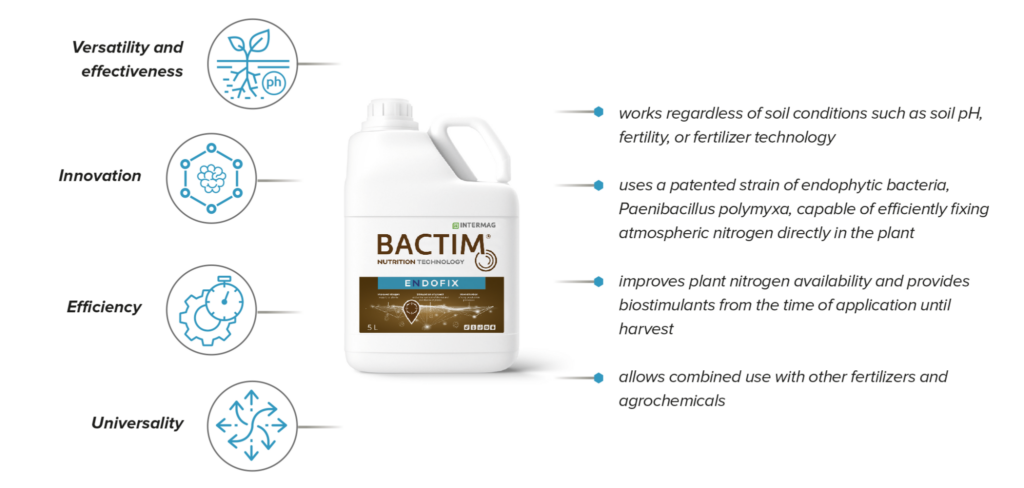
BACTIM® ENDOFIX complements nitrogen programmes through biological support. It contains a patented strain of the endophytic bacterium Paenibacillus polymyxa, which colonises plant tissues after foliar application and supports nitrogen balance by fixing atmospheric nitrogen directly within the plant.
Its performance is independent of soil moisture conditions and active across a broad temperature range (approx. 4–36°C), making it a practical tool within integrated nutrient management strategies.
Reinforcing natural plant defence
Disease control remains essential, yet strengthening the plant itself is equally important for long-term stability.
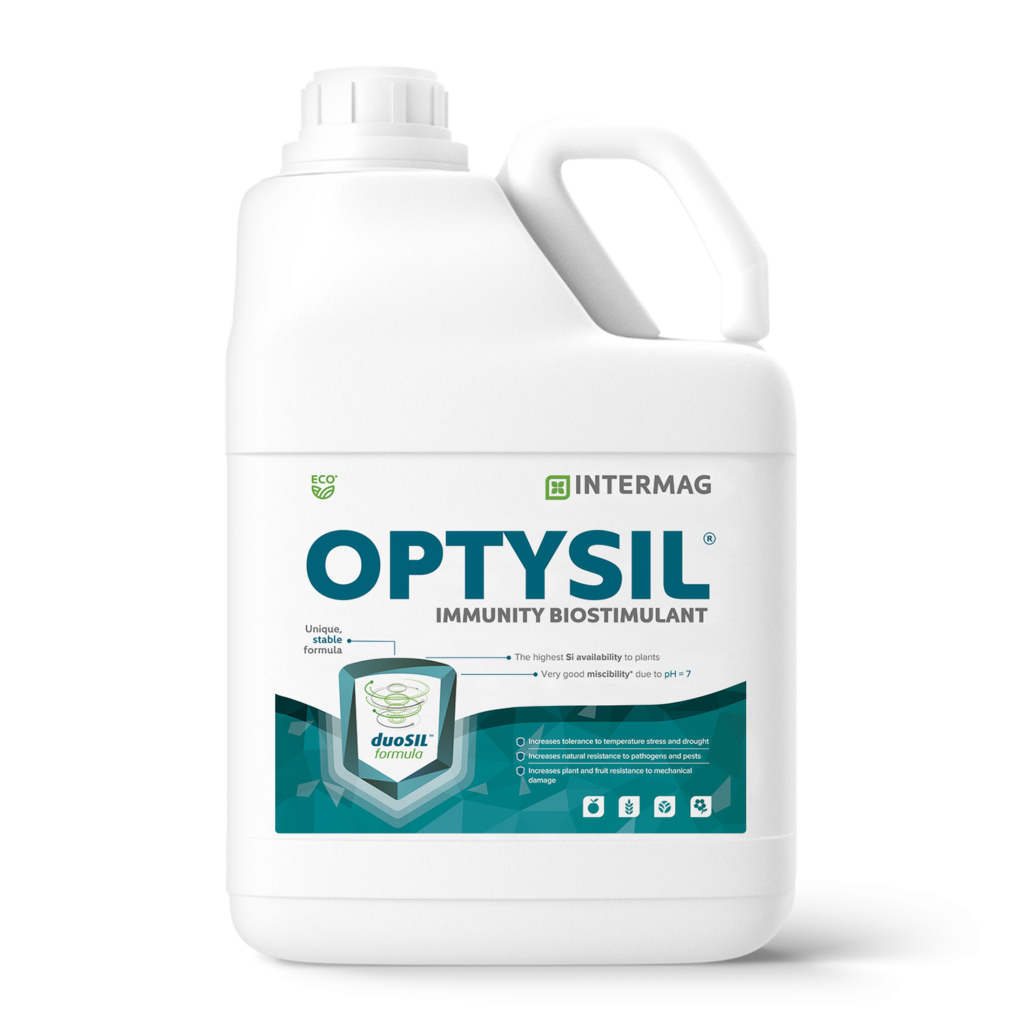
OPTYSIL® delivers plant-available silicon, reinforcing cell wall structure and limiting pathogen penetration. Beyond disease defence, silicon contributes to:
- improved water management,
- reduced transpiration under stress,
- enhanced tolerance to drought and cold,
- stronger structural integrity and reduced lodging risk.
A structurally stronger crop is better prepared to withstand both environmental stress and pathogen pressure throughout the season.
Stimulating metabolic performance
Early stem elongation is characterised by intensive metabolic activity. Supporting physiological efficiency during this phase can positively influence canopy density and yield component formation.
TYTANIT®, based on titanium in the form of the aTIUM® molecule, enhances photosynthetic performance and nutrient uptake while stimulating key metabolic processes. Used during dynamic vegetative growth, it helps unlock the crop’s production potential at a decisive stage.

Micronutrients – small elements, major impact – winter cereals
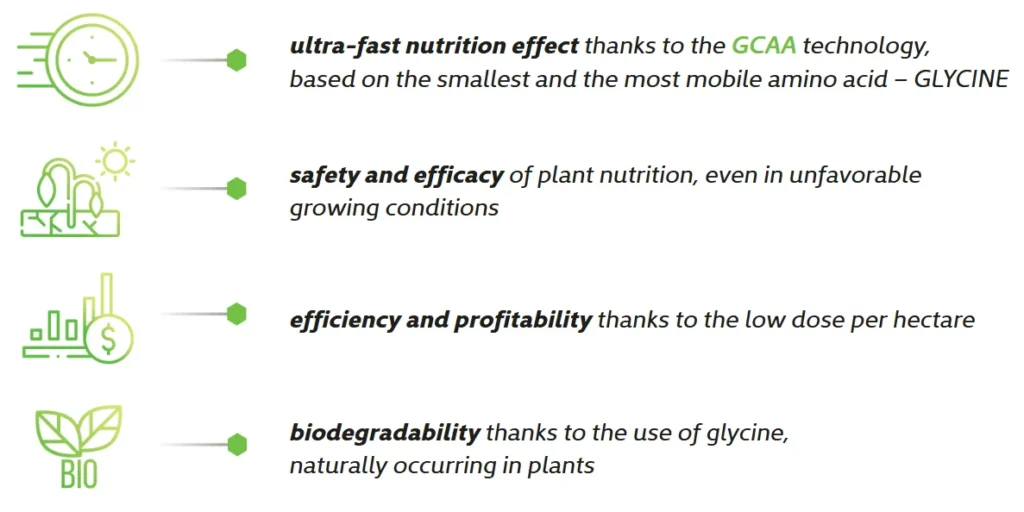
Even minor micronutrient deficiencies at this stage can limit tillering, chlorophyll synthesis and enzyme activity. Manganese, copper and zinc are particularly critical in cereals, especially under cool soil conditions, high pH or temporary waterlogging. AMINO ULTRA® CEREALS provides micronutrients in proportions tailored to cereal requirements. Thanks to glycine-complexed technology, it ensures efficient absorption and internal mobility, even under variable field conditions.

From application to strategy – winter cereals
Early stem elongation is more than a technical spray window. It is the moment when protection, nutrition and physiological activation can work together to define the season’s trajectory.
When approached strategically, this timing becomes not a cost, but an investment in resilience, efficiency and yield stability — building performance from the very start.


